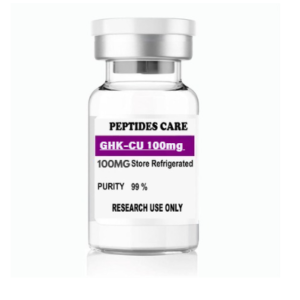
GHK-Cu 50mg × 10 Vials – Comprehensive Research & Educational Overview
GHK-Cu (Glycyl-L-Histidyl-L-Lysine Copper Complex) is a naturally occurring peptide widely referenced in scientific literature for its potential role in cellular repair, skin regeneration, and tissue remodeling. Recognized for its binding affinity to copper ions, GHK-Cu is frequently studied in molecular biology, dermatology, and regenerative science.
This article provides a detailed, SEO-optimized educational overview of GHK-Cu 50mg × 10 vials, focusing entirely on research applications and safe, informational content.
What Is GHK-Cu?
GHK-Cu is a tripeptide bonded with copper, naturally found in human plasma, saliva, and urine. Research indicates that it may play an important role in:
-
Cellular communication
-
Collagen and elastin synthesis
-
Tissue repair mechanisms
-
Anti-inflammatory pathways
-
Antioxidant defense responses
GHK-Cu 50mg × 10 Vials – Research Format Explained
The 50mg vial size is suitable for laboratories conducting large-scale or extended-duration research. A 10-vial pack ensures:
-
Consistent peptide supply
-
Improved reproducibility across experiments
-
Adequate volume for multi-phase studies
-
Standardized preparation and dilution
Researchers use standardized vial volumes like 50mg to maintain accuracy in comparative trials and biochemical analyses.
Why GHK-Cu Is Widely Studied
1. Skin Regeneration and Repair
GHK-Cu is extensively examined for its potential influence on collagen production, extracellular matrix remodeling, and wound healing processes. Research often focuses on fibroblast activity and skin health markers.
2. Anti-Inflammatory Pathways
Studies suggest GHK-Cu may help modulate inflammation-related signaling pathways, making it relevant for dermatology and tissue damage models.
3. Antioxidant Activity
GHK-Cu is known for binding copper ions, which play a role in neutralizing free radicals. This has made it a subject of interest in oxidative stress and aging research.
4. Hair Growth and Follicle Research
GHK-Cu appears in research exploring hair follicle health, hair cycle phases, and scalp tissue biology.
5. Tissue Remodeling
Many studies focus on how GHK-Cu may influence proteins involved in tissue regeneration and structural reinforcement.
Applications of GHK-Cu 50mg × 10 Vials in Laboratory Settings
In scientific environments, GHK-Cu 50mg is commonly used for:
-
Dermatological research
-
Cellular repair mechanism studies
-
Regenerative biology
-
Protein synthesis experiments
-
In vitro skin model testing
-
Anti-aging biochemical analysis
The larger vial size is ideal for labs conducting repeated tests or long-term experiments.
General Handling & Storage (Educational Only)
Research documentation typically recommends:
-
Cold storage (refrigerated or frozen) for stability
-
Protecting from light exposure
-
Avoiding moisture or contamination
Exact storage requirements vary based on manufacturer protocols.
The Scientific Importance of GHK-Cu
-
It is naturally occurring in the human body
-
It has strong copper-binding ability
-
It is associated with multiple biological repair pathways
-
It supports ongoing advancements in dermatological and regenerative research
As interest in peptide science grows, GHK-Cu continues to be a central compound in modern regenerative and cellular studies.
Conclusion
GHK-Cu 50mg × 10 vials represent a research-grade peptide format ideal for laboratories studying skin biology, tissue regeneration, protein synthesis, and antioxidant activity. Its relevance in scientific literature continues to expand, making it a valuable peptide for controlled and compliant research applications.